What is osseointegration?
Osseointegration is a groundbreaking biological process that defines the direct bonding of bone tissue to the surface of a surgically placed implant, forging a robust, stable, and enduring connection. This remarkable phenomenon lies at the heart of advancements in medical fields such as dentistry, orthopedics, and prosthetics, revolutionizing how we approach the restoration of function and quality of life for patients worldwide. Osseointegration typically involves the use of biocompatible materials like titanium or zirconia, which are carefully selected for their ability to integrate seamlessly with living bone. These materials are engineered to promote the natural growth of bone cells around the implant, fostering an environment where osseointegration can thrive. Once the implant is surgically inserted into the bone, the body triggers a complex healing response. During this phase, bone cells, known as osteoblasts, proliferate and gradually fuse with the implant’s surface, creating a union that is both mechanically strong and biologically cohesive. This intricate interplay between implant and bone establishes osseointegration as a cornerstone of modern medical innovation, offering a foundation for implants to function as a near-natural extension of the human body.
The journey begins with meticulous surgical placement, followed by a healing period that can span weeks to months, depending on factors such as the patient’s overall health, bone density, and the specific application. Titanium, widely regarded as the gold standard for osseointegration due to its exceptional biocompatibility and corrosion resistance, plays a pivotal role in this process. Its porous surface encourages bone cells to grow into and around the implant, locking it in place over time. Zirconia, an alternative material, is also gaining traction in osseointegration applications, particularly in dental implants, thanks to its aesthetic appeal and compatibility with soft tissues. As time progresses, the implant becomes an integral part of the skeletal structure, capable of withstanding significant physical stresses without compromising stability. This durability is what makes osseointegration a game-changer, enabling implants to support everything from prosthetic limbs to dental crowns with unparalleled reliability.
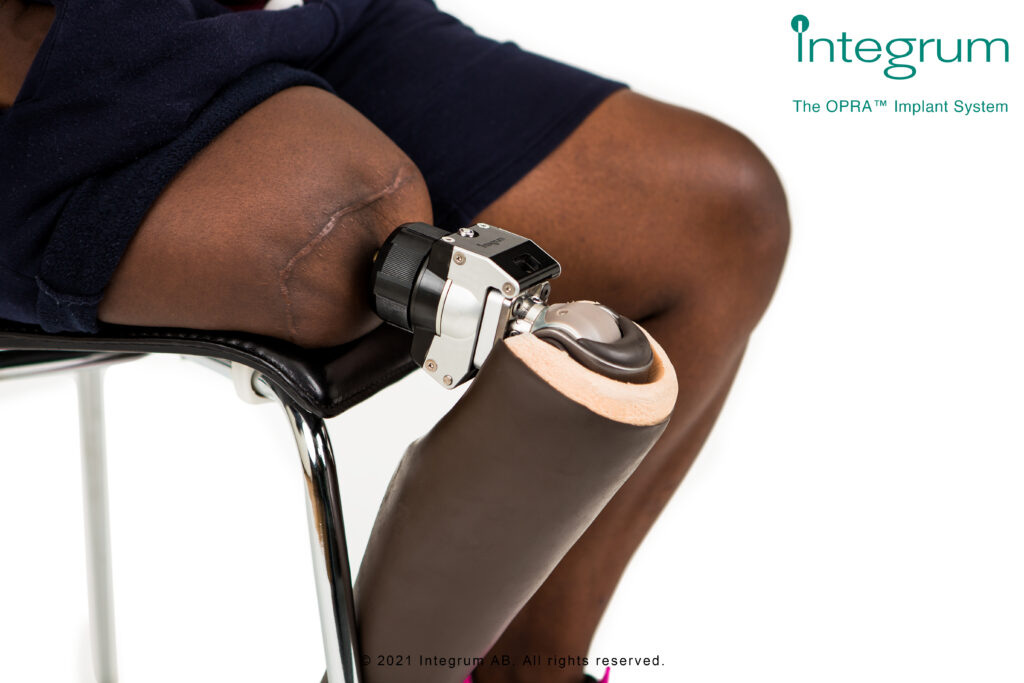
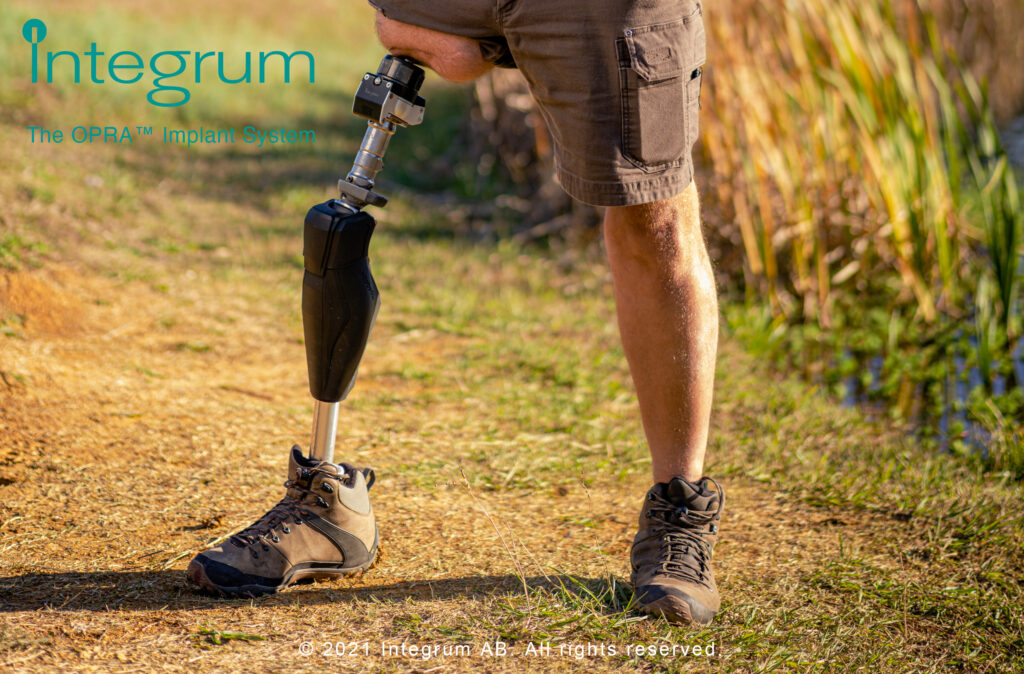
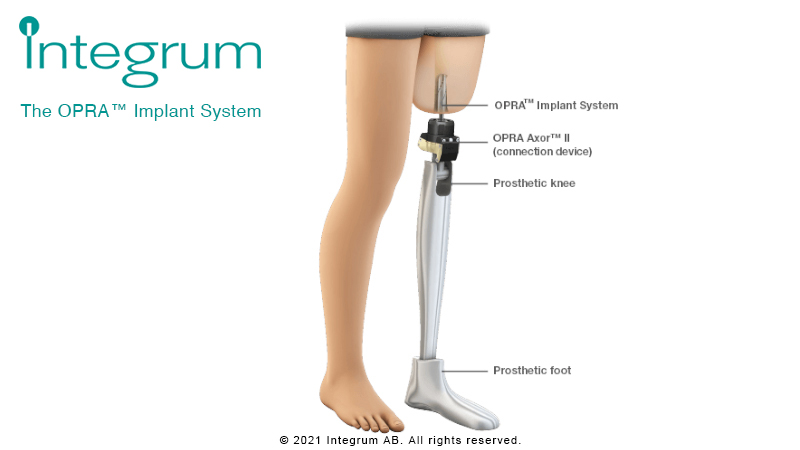
The benefits of osseointegration extend far beyond mere structural integration, offering transformative outcomes that enhance patients’ lives in tangible ways. In the realm of prosthetics, osseointegration provides a direct skeletal attachment for artificial limbs, eliminating the need for traditional socket-based systems that can cause discomfort or limit mobility. This direct connection, often facilitated by advanced prosthetic solutions like those offered by Prosthetic Orthotic Solutions International (POSI), allows for greater control, improved proprioception, and a more natural range of motion. For individuals with limb loss, osseointegration can mean the difference between restricted movement and newfound independence, empowering them to engage in activities they love—whether it’s walking, running, or pursuing hobbies. In dental applications, osseointegration ensures that tooth replacements, such as implants supporting crowns or bridges, remain securely anchored, providing patients with the confidence to eat, speak, and smile without worry. Orthopedic surgeries, too, rely heavily on osseointegration to secure joint replacements like hips or knees, ensuring longevity and functionality for years to come.
While the advantages are undeniable, achieving successful outcomes requires careful consideration and expertise. Factors such as bone quality, patient age, and underlying health conditions—like diabetes or smoking habits—can influence the rate and success. Surgeons and prosthetic specialists must assess these variables during the planning phase to optimize results. Post-surgical care is equally critical, as the healing process demands patience and adherence to medical guidance to allow the process to fully mature. In some cases, additional therapies, such as physical rehabilitation, may be recommended to support the integration and functionality of the implant. Despite these challenges, the payoff of osseointegration is immense: a stable, long-lasting solution that integrates so seamlessly with the body that it feels like a natural part of it.
For organizations like Prosthetic Orthotic Solutions International (POSI), osseointegration represents a frontier of possibility in prosthetic care. By leveraging cutting-edge materials and techniques, they design custom solutions tailored to each patient’s unique needs. Whether it’s a lower limb prosthetic for an active individual or an upper extremity device for someone seeking dexterity, osseointegration enables POSI to deliver outcomes that prioritize comfort, durability, and performance. As research continues to advance, the applications of osseointegration are expanding, with innovations like bioactive coatings and 3D-printed implants pushing the boundaries of what’s possible. For patients and practitioners alike, osseointegration stands as a testament to the synergy of science and human resilience, offering a pathway to recovery and empowerment that is as strong as the bone it bonds with.
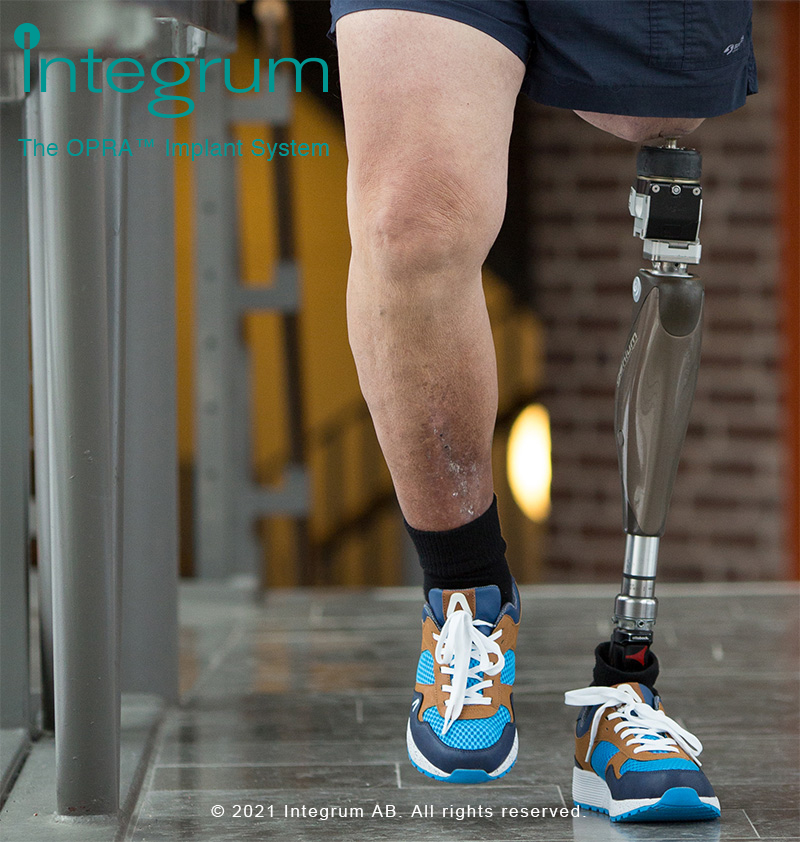
Currently the only FDA approved implant is the OPRA system manufactured by Integrum. The POSI team is fully trained to work with the OPRA system and provide prosthetic services to those that have received the implant.
Please contact POSI if you would like to learn more about Osseointegration and the OPRA system.